Structured mediation, matched to the person in front of me.
Every program starts with observation, not a checklist. What follows is built around how the person actually thinks, moves, and regulates, so the intervention can be fully personalized.
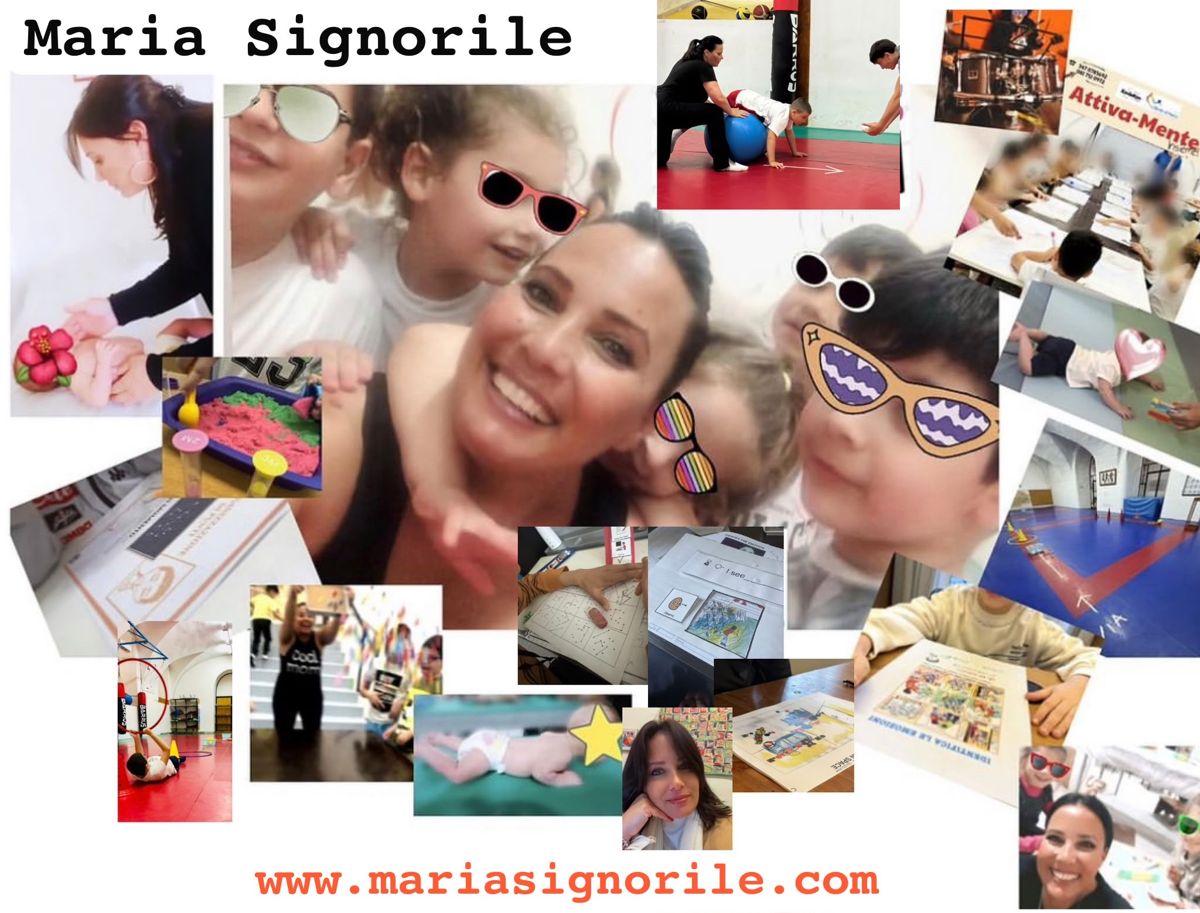
“My son wants to be an engineer. He can’t remember to turn in finished homework.”
“She studies all night and still blanks on the test.”
“I’m not lazy. I just can’t make myself start.”
“I know exactly what I should do. I just don’t do it.”
“I walk into a room and forget why I’m there. Every day.”
“He’s bright. Every teacher says so. So why is he failing?”
“He knew every answer on the test. He rushed and got half of them wrong.”
“He can tell you the rule perfectly. In the moment, it’s just gone.”
Knowing what to do isn’t enough. You have to learn how to actually do it.
Executive Function Development
Often, the difference between struggling and succeeding isn’t intelligence. It’s executive function. And that can be trained, at any age.
One-on-one mediation to strengthen the skills that make learning and daily life manageable.
- Attention, working memory, and planning
- Inhibition and cognitive flexibility
- Emotional regulation and self-monitoring
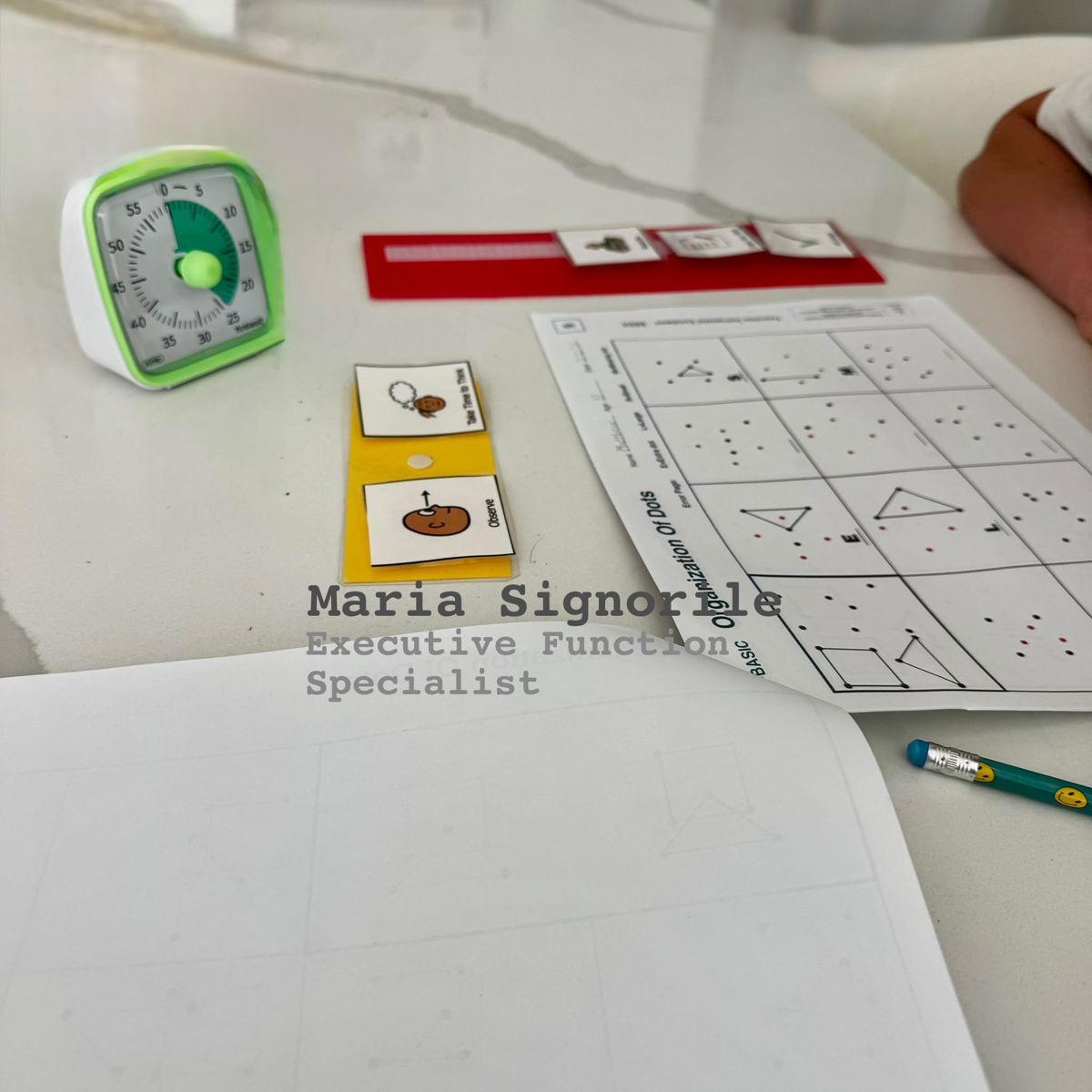
- Structured paper-and-pencil activities, individually designed
Feuerstein Instrumental Enrichment
Certified PAS Basic & Standard sessions using Feuerstein's mediated learning approach to build cognitive modifiability.
- Structured instruments targeting specific cognitive functions
- Mediation, not instruction — the person builds their own strategies
- Transfer of skills to school, work, and everyday tasks
Neuropsychomotor Development & Early Intervention Italy Only
Developmental observation and structured motor and psychomotor activity to support early milestones.
- Behavioral and motor observation for early identification
- FSC & Castagnini method-informed developmental therapy
- Coordination with pediatricians, neuropsychiatrists, and neurologists when needed
Adult Developmental Support
Educational and developmental support for adults with complex physical and cognitive disabilities.
- Autonomy and daily-living skill-building
- Emotional awareness and participation
- Quality-of-life-centered planning
Parent Education & Staff Training
Group and individual training on developmental milestones, learning strategies, and inclusive practice.
- Understanding developmental signs early
- Practical strategies for home
What is the Feuerstein Method?
The Feuerstein Method is a structured, relational approach designed to help people develop stronger and more effective ways of thinking. It focuses on teaching how to think, not just what to learn. The core idea is that the brain is modifiable — it is not static, and with the right professional guidance, it can change, grow, and achieve meaningful results.
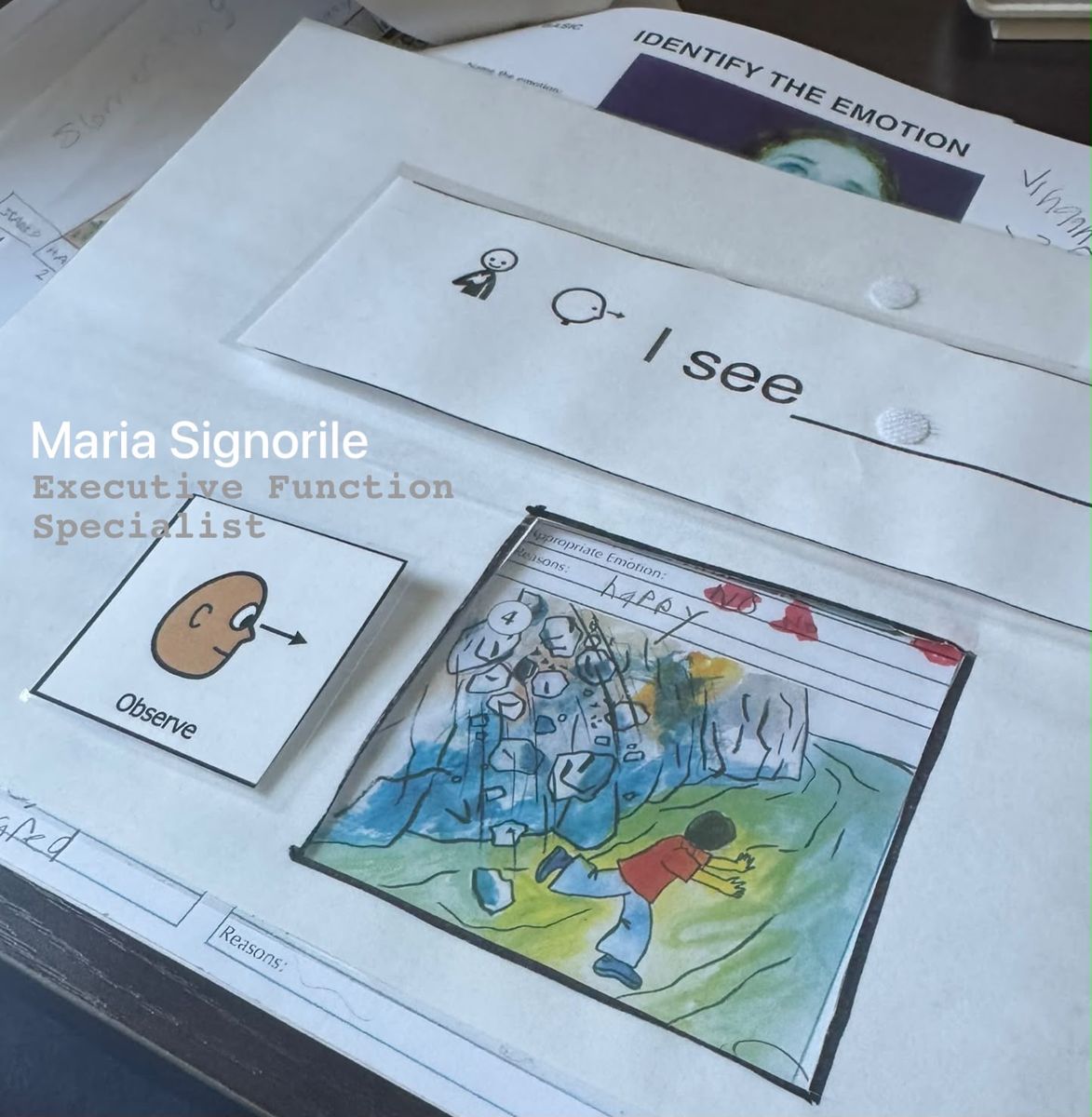
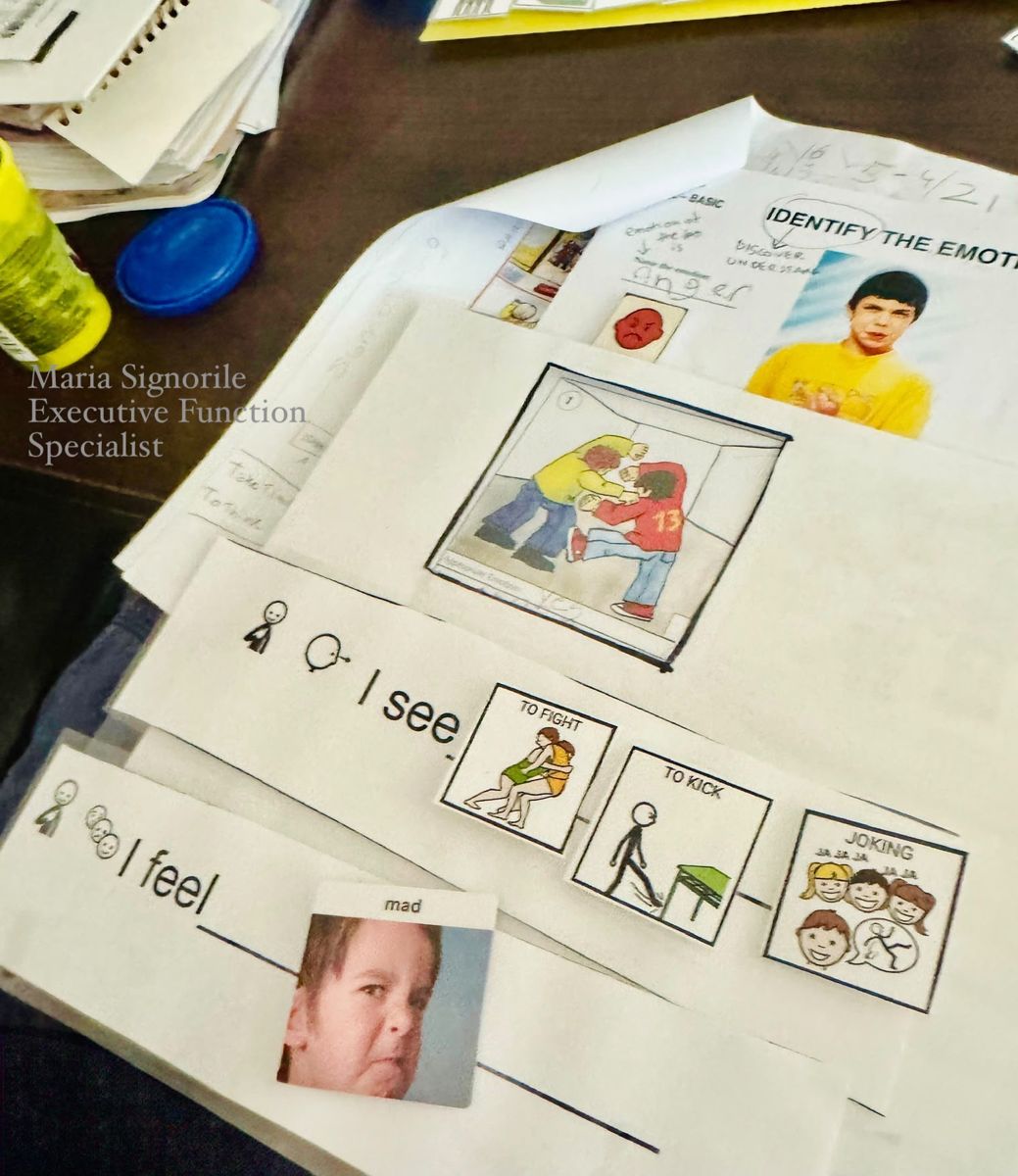
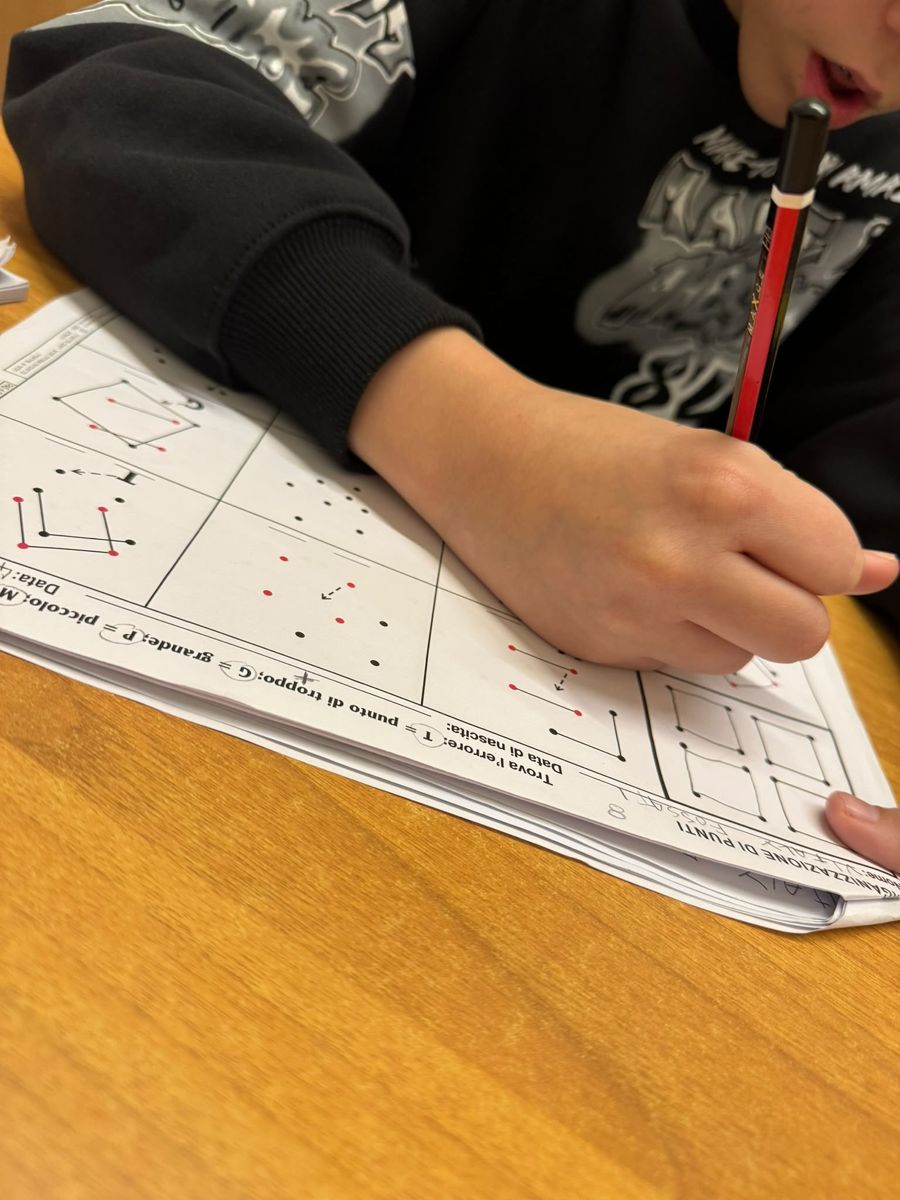
The method is based on the theory of Structural Cognitive Modifiability and uses carefully designed paper-and-pencil activities called Instruments. Each activity targets specific cognitive processes and executive functions, including attention, working memory, planning, organization, impulse control, cognitive flexibility, and logical reasoning.
Learning happens through mediated learning. The adult does not give answers, but guides the student step by step, helping them reflect on what they are doing, how they are doing it, and why certain strategies are effective. The goal is not simply to complete the task, but to strengthen the thinking processes behind it — building awareness, self-regulation, and the ability to apply these strategies to new situations, at school, at work, and in daily life.
How information is taken in
How information is perceived and selected in the first place.
How it's worked through
How information is analyzed, compared, and organized.
How a response is formed
How responses are planned, expressed, and applied.
Building foundational executive functions
Supports children and individuals who need to build or rebuild executive functions, including those with developmental challenges or cognitive vulnerabilities.
Sharpening reasoning at any age
Continues this work with adolescents and adults who want to enhance reasoning, metacognition, and essential thinking skills for learning, work, and personal growth — or simply to keep the mind active and trained.
"I don't accept diagnoses. I accept potential."R. Feuerstein
"Help me do it by myself."Maria Montessori
"The Zone of Proximal Development is the distance between what a learner can do independently and what they can do with guidance and support."Lev Vygotsky
Support across ADHD, autism, learning differences, and typical development
Programs are built individually, but families most often come for these reasons.
ADHD and attention challenges
Building the working memory, planning, and inhibition skills that attention difficulties make harder to develop on their own.
Autism spectrum disorder
Structured, individualized mediation that respects how each person processes and communicates.
Learning disabilities
Targeted cognitive enrichment to build strategies that transfer directly into schoolwork.
Frequently asked questions
The first meeting is focused on observation and conversation — understanding developmental history, current challenges, and goals — before any program is designed. There's no fixed test or checklist; the plan is built around the person.
All ages. Most of my work is with children from 4 years old through adolescence, but I also work with young adults, adults and older adults. Programs are always built around the person’s age, needs and goals, not around a fixed curriculum.
Sessions are available in English and Italian. For bilingual families, we can choose the language that feels most natural for the child, or use both.
I also understand Spanish, although I don’t speak it. For Spanish-speaking children who are still learning English, this means sessions are held in English, but the child is free to answer or explain in Spanish. It helps me see what they truly understand, not just what they can already say in English. Parent meetings are held in English or Italian.
Sessions are available in person in the San Francisco Bay Area, with virtual options for follow-up consultations and parent training. When circumstances allow, regular sessions can also be offered online. Reach out to discuss what fits your situation.
Program length depends on the goals involved — some families come for a focused block of sessions, others for ongoing support over months. This is discussed and agreed upon after the first consultation.
Yes. While much of the work involves children and adolescents, Maria also supports young adults, adults, and older adults, including adults with complex disabilities.